 Acreed
- Variants
- 2
- Channels
- 1
- Updated date
- 11/10/2026
- Confidence
- High


en

A consolidated view of active Infostealers, variants, log and panel formats, and traceable indicators for security teams at organizations worldwide
Updated through 11/10/2026

Infostealer threat intelligence curated and researched by experts at CyStack
CyStack's Infostealer Database compiles info-stealing malware families observed and classified by threat researchers. Information covers identified variants, log formats, panel structures and technical behavior. Defenders can use this data as a reference point when investigating stealer activity, correlating with internal monitoring or engineering detections.
Note: This reflects curated research and is not an exhaustive inventory of all active campaigns. Parser and entry labels are assigned by CyStack based on observed features, without definitive malware-family attribution. This data does not imply that CyStack was the initial discoverer of every threat represented.

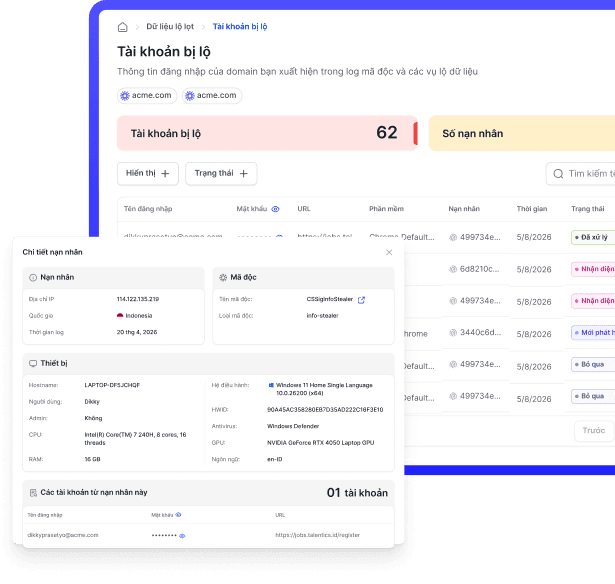
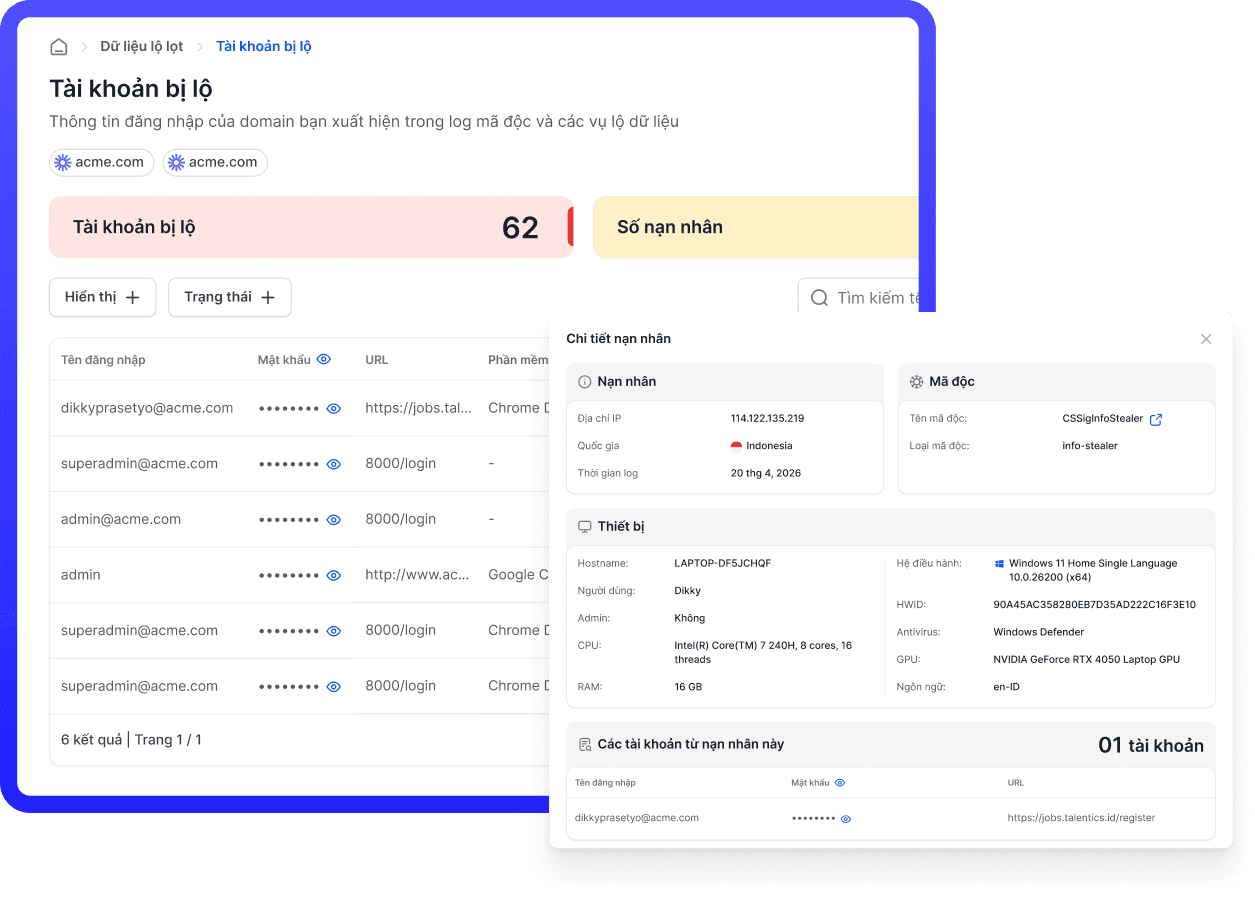
Infostealer data represents only a fraction of modern data theft threats. With the Threat Intelligence component in the CyStack VulnScan solution suite, organizations can investigate each threat and credential exposure in depth, mapping C2, IOCs, and other actionable threat intelligence.

| Family name | Variants | Channels | Updated date | Confidence |
|---|---|---|---|---|
| Acreed | 2 | 1 | 11/10/2026 | High |
| Ailurophile | 1 | 1 | 11/10/2026 | High |
| AMOS Stealer | 1 | OSS | 11/10/2026 | High |
| Antarctida Stealer | 2 | OSS | 11/10/2026 | Unknown |
| Arcane | 3 | 1 | 11/10/2026 | High |
| AuraStealer | 1 | OSS | 11/10/2026 | High |
| Aurora Stealer | — | 3 | 11/10/2026 | High |
| Bee Stealer | 1 | OSS | 11/10/2026 | High |
| Blank Grabber | 3 | OSS | 11/10/2026 | High |
| BracketSection Stealer | 2 | OSS | 11/10/2026 | Unknown |
AcreedAilurophileAMOS StealerAntarctida StealerArcaneAuraStealerAurora StealerBee StealerBlank GrabberBracketSection StealerDefense teams need to understand infostealer approaches and operations, tracing evidence across user browser data, sensitive application data, authentication credentials, financial secrets and device telemetry.
Enterprise data-stealing malware operates in various ways, typically following a familiar 3-step scenario

The victim executes a malicious attachment, installer, cracked software, or payload delivered via phishing or a compromised channel.

The malware enumerates supported applications, extracts selected data, and packages structured archives for exfiltration.
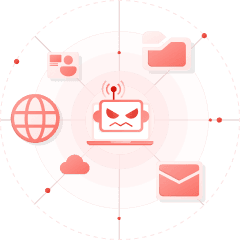
Stolen credentials are utilized or resold on darknet markets. Because of the temporal nature of credentials, stolen items may degrade in value over time.
Here are some of the primary data categories targeted by info-stealing malware

Usernames, saved passwords, autofill data, cookies, and active session tokens across personal and enterprise accounts.

Cryptocurrency wallet data, messaging app tokens, VPN and FTP credentials, files, screenshots, or clipboard data.

Leaked corporate email, cloud sessions, and remote-access credentials that enable re-entry and large-scale account takeover.
Treat the compromised device and all associated accounts as an active investigation scope. Isolate and inspect the device, revoke active sessions, rotate exposed credentials and sensitive tokens, and continuously monitor access risk. Validate current impact with endpoint and identity telemetry.

Evaluate security posture and actionable recommendations from CyStack for websites

Explore research and technical advisories authored by our cybersecurity specialists
Learn about threat intelligence and continuous credential leak detection from CyStack